
There are many differing methods of puppy rearing. I whelp and raise my pups inside until 3 or 4 weeks. Then they spend days in the catio, with an ever expanding pen outside. By 6 weeks they have access to be outside full time.
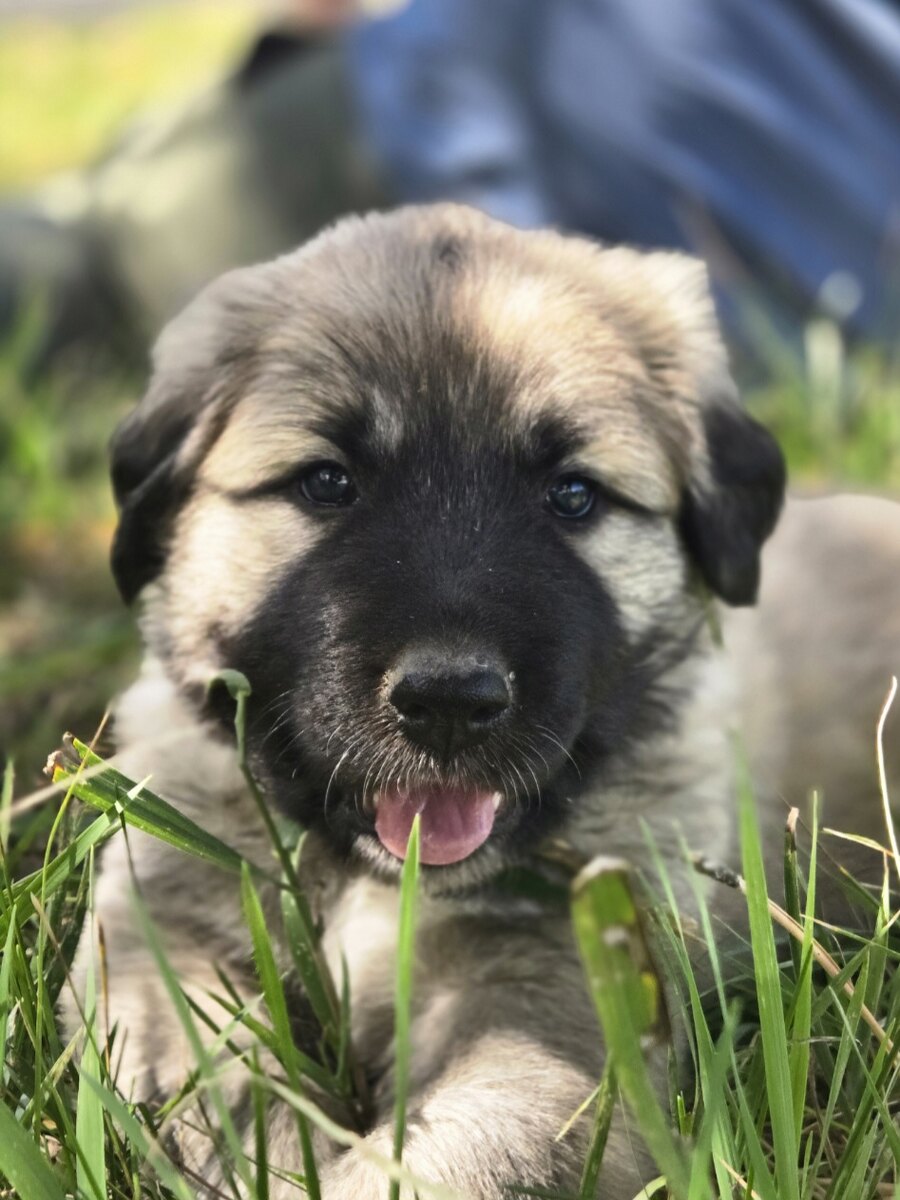
Early Neurological Stimulation (ENS) 🐾
At Tierhaus 23, beginning with our next litter we are going to use Early Neurological Stimulation (ENS) to give our puppies the very best start in life. ENS is a series of gentle, age-appropriate exercises done during the first two weeks of life that help support healthy development.
✨ Benefits of ENS include:
-Increased stress tolerance
-Stronger immune response
-Improved cardiovascular health
-Greater confidence and adaptability
These early experiences help our puppies grow into calm, resilient, and well-balanced dogs, better prepared to handle new environments, people, and experiences as they mature. It’s just one of the many ways we invest in raising puppies with strong foundations—inside and out.
Puppy Culture
At Tierhaus 23, we believe that raising confident, well-adjusted dogs starts long before puppies ever go to their new homes. From the very first days of life, we are intentional about how our puppies are handled, nurtured, and introduced to the world—and that’s why we follow Puppy Culture.
What Is Puppy Culture?
Puppy Culture is a science-based, early-development program designed to give puppies the best possible start in life. It focuses on carefully timed experiences during a puppy’s most critical developmental windows—when their brains are growing rapidly and learning happens effortlessly.
These early weeks matter more than many people realize. Positive, gentle exposure now helps shape how a puppy handles stress, novelty, and change later in life.
What This Looks Like at Tierhaus 23
For us, Puppy Culture isn’t a checklist—it’s a mindset. From day one, our puppies are raised in a clean, calm, and enriching environment where they are handled daily and observed closely.
We focus on:
Early neurological stimulation to support resilience and adaptability
Positive human interaction to build trust and confidence
Age-appropriate challenges that encourage curiosity instead of fear
Thoughtful exposure to sights, sounds, textures, and routines found in everyday life
Everything is done at the puppy’s pace. Our goal is never to overwhelm, but to gently prepare.
Why This Matters for Your Future Puppy
Puppies raised with Puppy Culture often grow into dogs who:
-Adapt more easily to new environments
-Recover more quickly from stress
-Show stronger problem-solving skills
-Are confident without being pushy
While genetics set the foundation, early experiences help shape how those traits show up in real life. We want our puppies to leave us ready to thrive—not just in the first week home, but for years to come.
A Personal Commitment
We chose Puppy Culture because it aligns with our values. We don’t just raise puppies—we raise future companions, family members, and working partners. Every puppy at Tierhaus 23 gets the same thoughtful start we would want for our own dogs.
When you bring home a Tierhaus 23 puppy, you’re not starting from scratch. You’re building on weeks of intentional care, learning, and love.
If you have questions about our program or want to learn more about how we raise our puppies, we’re always happy to talk—because informed puppy buyers make the very best homes 🐾
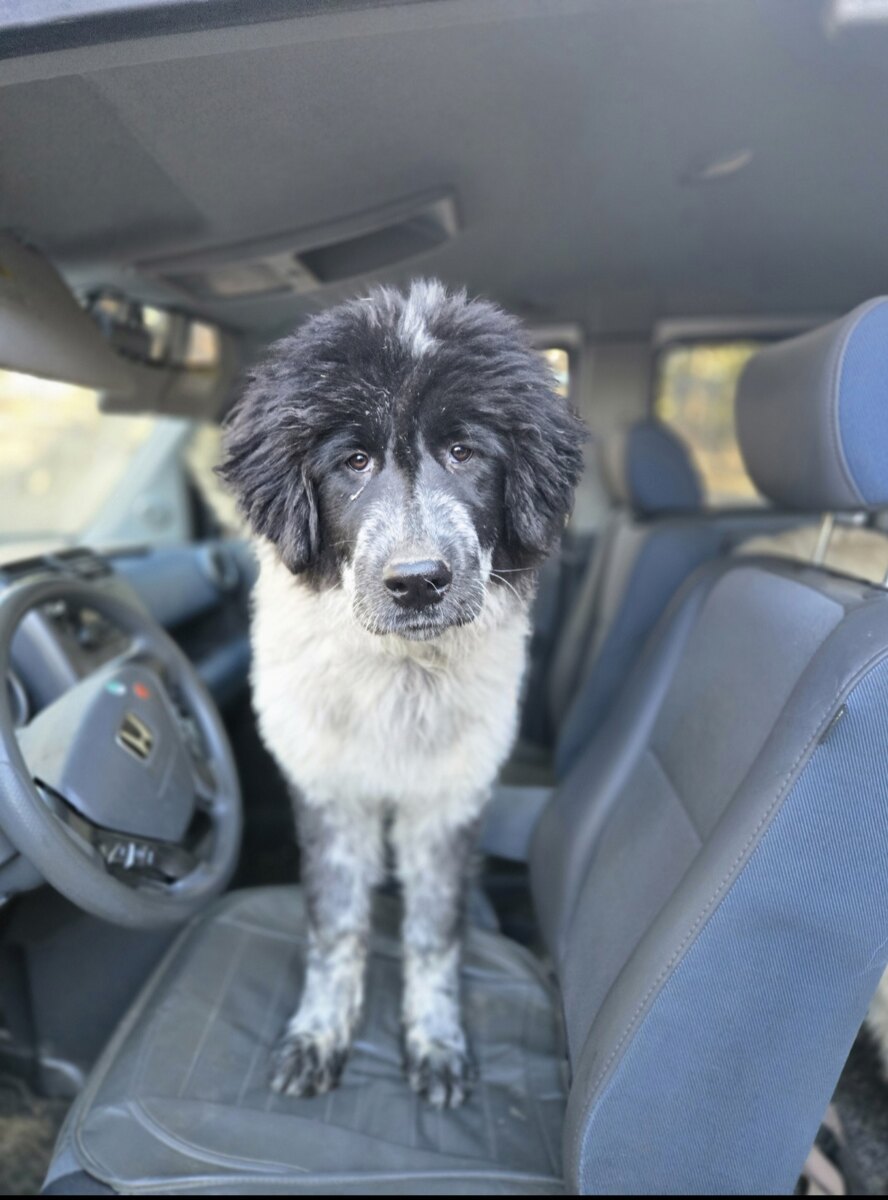
Additional Training
At 4 weeks we begin weekly car rides. If you have ever tried loading an unwilling 100 lb dog into the car, you will appreciate the introduction to car rides and self loading we give our pups.
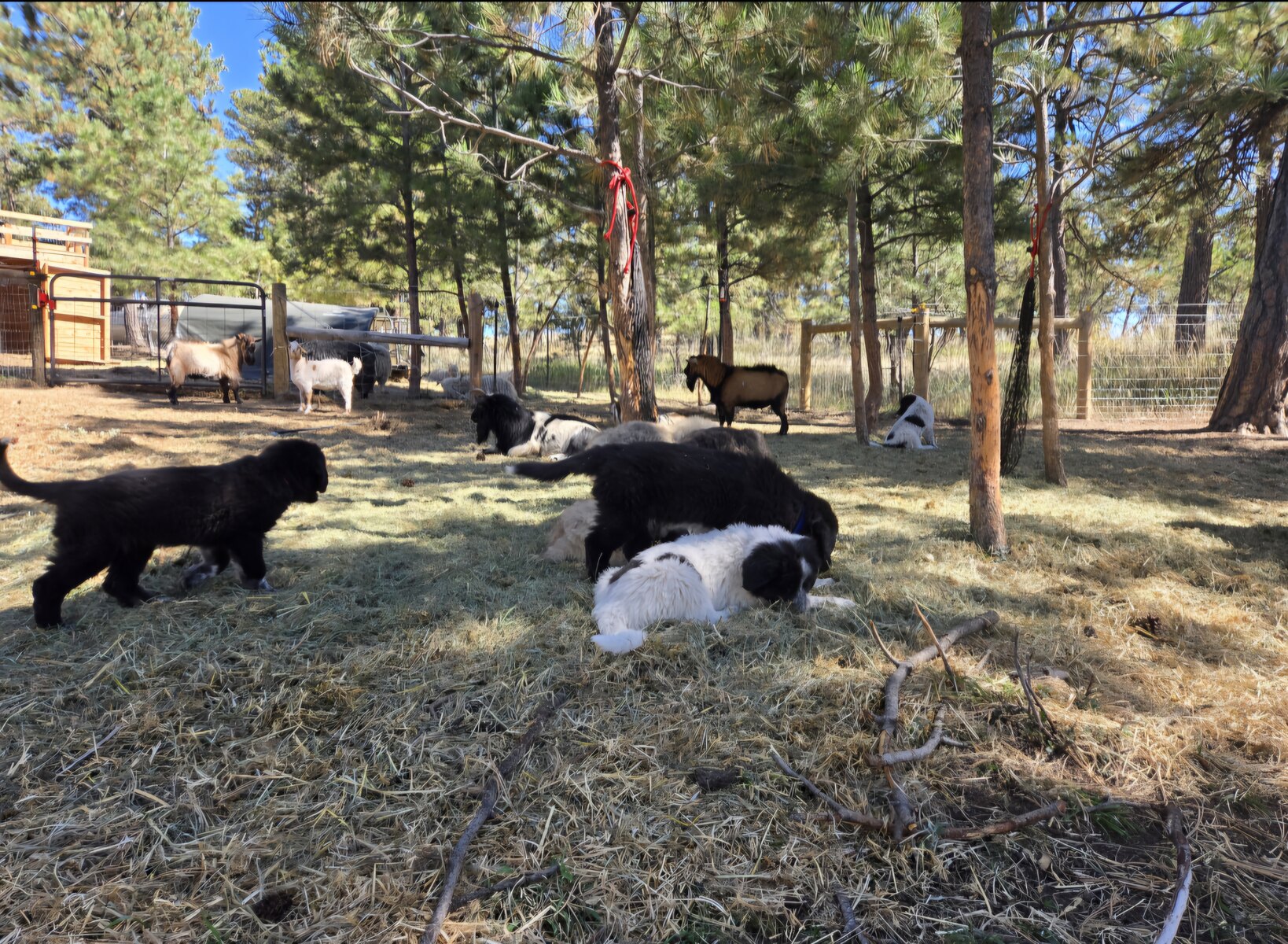
Livestock Guardian Mentorship
The pups spend time with our goats, turkeys and chickens. As our best ambassadors, the bucks give the pups their introduction to livestock. At first the pups are side by side with the goats, and when they are moved in with them they are always supervised by one or two adults.
Puppy Placement
When placing puppies in their new homes there are many things I take into consideration. I have detailed conversations with the families to see what role the puppy will play, from guardian to companion. I primarily evaluate the puppy's temperment. I find this to be the most important characteristic in puppy placement. Behind that are conformation, sex, and color. I then offer suitable choices to each family.
For more information on Puppy Culture and ENS please use the following links: